Dear Parents and Guardians,
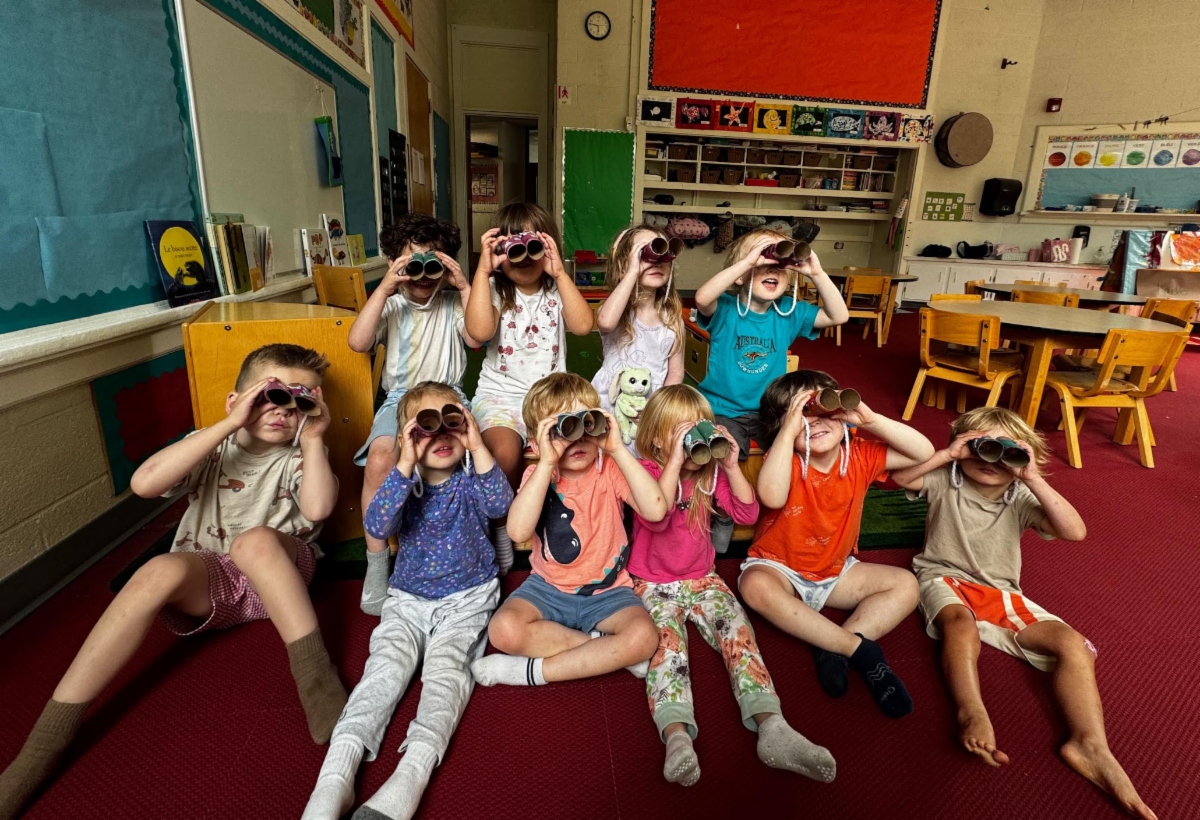
With a new school year just a few weeks away, I find myself thinking about a word that we don’t hear enough in education: enthusiasm.
Not excitement. Excitement is wonderful, but it comes and goes. Enthusiasm is something deeper. It is what happens when children discover something they genuinely enjoy doing. It is the student who cannot wait to show a teacher what they built in the woods. It is the child who keeps practicing a piece of music at home. It is the student who asks one more question to gain a deeper understanding. It is also the child who proudly recites a French poem from memory, who spends extra time perfecting a story in French or English, who finally masters a challenging math concept after several attempts, or who becomes so absorbed in a project that they forget they are working. Enthusiasm appears when children experience the satisfaction of learning, creating, and accomplishing something that matters to them.
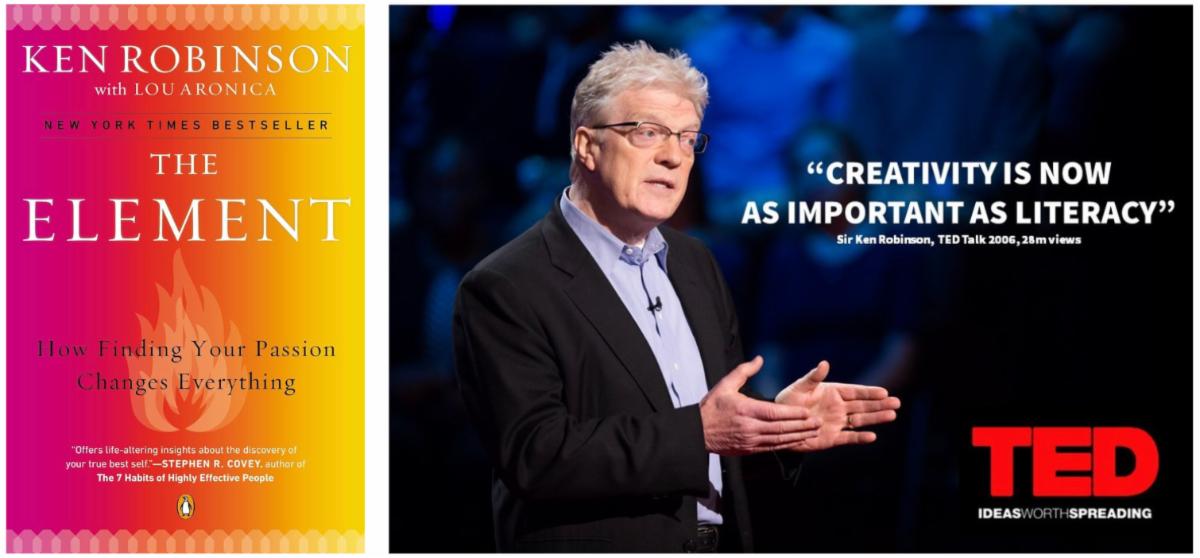
This spring, I read The Element by Sir Ken Robinson. In the book, Robinson argues that people are happiest and most successful when they find the intersection between what they are good at and what they love to do. As I looked back on this school year, I realized how often I had seen our students discovering exactly that.
I saw it in the woods behind the school, where a few huts built from sticks gradually evolved into an entire imaginary world. Students created their own village, complete with businesses, gathering places, and even an acorn-based currency. Given time, freedom, and imagination, they built something far richer than any adult could have planned.
I saw it during Art Fest, when students and parent volunteers transformed La Maison Française into a museum filled with their own creations. A few days later, families and community members visited an exhibition the children had helped imagine and create themselves.
I saw it on the stage of the Franco Center during Le Petit Prince. Some students discovered a love of performing, while others discovered the courage to stand before hundreds of people and contribute to something larger than themselves.
I saw it during our Suzuki concerts, where months of practice culminated in moments of confidence, accomplishment, and pride.
I saw it during our Grade 5 IB PYP Exhibition, when students wrote, illustrated, and published their own books, then enthusiastically shared both their finished work and the creative process behind it.
I saw it during Career Day, when parents shared not only what they do for a living, but also the passions and interests that led them there.
And I certainly saw it during our exchange trip to Montreal and Collège Stanislas. Watching students attend classes, build friendships, and use French naturally outside the classroom was a powerful reminder that language is not simply a subject to be studied; it is a tool that opens doors and connects us to the wider world.
I saw it during our School Carnival. It is always inspiring to watch parents, teachers, staff members, and volunteers come together to create something special for children. The countless hours spent organizing games, preparing activities, and welcoming families reflected the same spirit of enthusiasm that we hope to cultivate in our students every day.
Most importantly, I saw enthusiasm in our teachers.
After thirty-four years in schools, I have become convinced that enthusiasm is one of the most important qualities a teacher can bring to the classroom. Children quickly recognize adults who genuinely love what they teach. Enthusiasm is contagious. A teacher’s passion for science, music, art, mathematics, nature, or language arts often becomes the spark that ignites a child’s own interest.
At L’École Française du Maine, we want children to work hard, develop strong academic skills, and challenge themselves. But we also want them to enjoy learning. We want them to be curious. We want them to ask questions, take risks, make mistakes, and discover their strengths.
The French curriculum and the IB Primary Years Programme work remarkably well together in this regard. Both encourage students to think, inquire, explore, and reflect. Both help children become active participants in their own learning rather than passive recipients of information.
As artificial intelligence continues to transform the world around us, knowledge is becoming easier to access than ever before. What remains uniquely human are qualities such as curiosity, creativity, empathy, imagination, and enthusiasm. Helping children develop those qualities may be one of the most important responsibilities schools have today.
As summer continues, I hope our students spend plenty of time doing things that spark their curiosity: reading a book, exploring a trail, learning a new skill, building something, playing music, creating art, following an interest wherever it leads.
You never know where enthusiasm might take you.
Merci,
Willy LeBihan
Founder & Head of School
Do Schools Kill Creativity? by Sir Ken Robinson (2006)
One of the most influential TED Talks ever presented, viewed by 37 million around the world. With humor, insight, and compelling stories, Robinson challenges us to rethink the role of creativity in education and argues that schools should place the same value on creativity as they do on literacy and academic achievement. The talk remains as relevant today as it was nearly twenty years ago!
The Element by Sir Ken Robinson & Lou Aronica (2009)
A thoughtful and inspiring exploration of how people discover the intersection between their natural talents and their passions. Through stories of artists, scientists, entrepreneurs, educators, and innovators, Robinson reminds us that learning is most powerful when it connects to purpose, curiosity, and joy. It is a book that speaks directly to the mission of education and to the importance of helping every child discover what makes them come alive.